Best Ultralight Trekking Pole Tent 2026 for Ultimate Backpacking Comfort
Finding the best ultralight trekking pole tent can make a big difference on your outdoor adventures. These tents are designed to be compact and easy to carry, without sacrificing protection from the elements. They use trekking poles you already have, which helps keep weight down and setup quick. Whether you’re hiking long trails or just heading out for a weekend, having a reliable, lightweight shelter is key. It’s all about balance—staying light on your feet while having a safe place to rest. Knowing what to look for helps you choose a tent that fits your needs and style of travel.
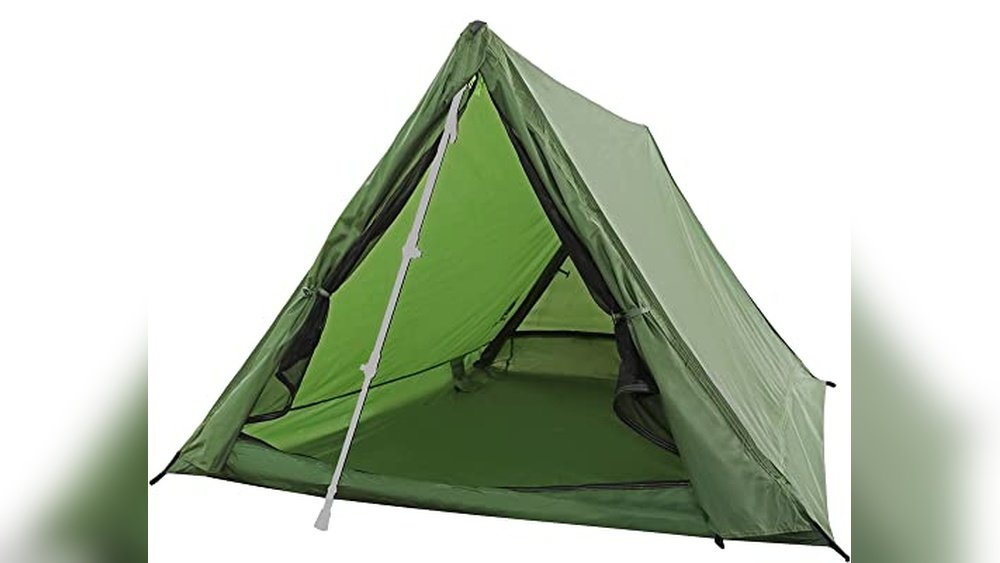
Ultralight 2-person Trekking Pole Tent
The Best Ultralight Trekking Pole Tent for hikers who want a lightweight, easy-to-pitch shelter without carrying extra poles.

What to Expect on the Trail
- Setup only takes about 2 minutes using trekking poles or nearby trees, no extra poles required.
- Weighs just 3.2 lbs, making it easy to carry on long backpacking trips.
- Waterproof 210T polyester with PU 5000 coating keeps you dry in wet conditions.
- Good ventilation reduces condensation inside the tent during humid nights.
- Space fits two people comfortably with room for gear in vestibules.
Considerations Before You Buy
- No trekking poles are included, so you’ll need to bring your own or use trees.
- A-frame design may feel more compact compared to freestanding tents.
- Best suited for campers comfortable with simple setups using sticks or trees.
- Limited color choice and simple construction without extra features.
Finding the Right Fit for Your Trek
This tent suits backpackers who prioritize light weight and quick setup, especially those who carry trekking poles already. It works well for two people who want a basic, reliable shelter without the bulk of traditional poles.
However, if you prefer a tent with included poles or more interior space, this might not meet your needs. Also, those camping in areas without trees or poles nearby may find pitching it more challenging.
- Ideal for minimalists and scout campers
- Great for wet weather thanks to waterproof materials
- Not recommended if you want a freestanding tent
- Requires some familiarity with pitch techniques
Thoughts for Serious Trekkers
This tent delivers a practical balance of weight, protection, and ease of use for ultralight backpackers. While the lack of included poles means an extra step in preparation, it also means less weight to carry on the trail. Ventilation is handled well, minimizing uncomfortable moisture buildup overnight.
It’s a solid choice if you can work with trekking poles or natural supports like trees. The compact size and quick setup save time and effort, which can be valuable after a long day of hiking. Just keep in mind it isn’t a luxury shelter but a straightforward, functional option.
Who Should Consider This Tent
This ultralight trekking pole tent is a good match for hikers who want to keep their pack weight low and already use trekking poles. It’s suited for two people who don’t mind a simpler design and value fast setup and waterproof protection.
Those who want a tent with included poles or a freestanding design might want to look elsewhere. Also, campers who need more space or extra features could find it limiting.
If you decide to try it, bring quality trekking poles and practice pitching it before hitting the trail. You’ll likely appreciate the ease and compactness once you get used to it.
Featherstone Ultralight Backpacking Tent
The Best Ultralight Trekking Pole Tent for solo backpackers who need a lightweight, durable shelter for extended outdoor trips.

Daily Use Insights for Solo Trekkers
- Setup is quick and straightforward with just trekking poles and stakes.
- Spacious enough to fit a full sleeping pad comfortably.
- Two doors and vestibules offer practical gear storage and easy access.
- Good ventilation keeps airflow steady without letting bugs inside.
- Waterproof materials and taped seams provide reliable protection from rain.
Considerations Before You Buy
- Trekking poles are required but not included, so you’ll need to bring your own.
- Being single-wall, condensation might be noticeable in certain conditions.
- The minimal weight comes with less interior space than larger tents.
Choosing This Tent for Your Backpack
This tent works well for hikers who prioritize low weight but still want a decent amount of room and weather protection. The innovative two-door design adds convenience on solo trips. Its compact size and light weight make it a solid choice for thru-hikers and minimalist campers.
If you often camp with a partner or need more interior volume, this might feel a bit tight. Also, those who dislike single-wall tents due to moisture buildup may want to consider alternatives.
- Ideal for solo ultralight backpackers and thru-hikers.
- Best if you already use trekking poles regularly.
- Not recommended for those needing spacious two-person shelters.
Thoughtful Shelter for Light Travelers
The Featherstone ultralight tent is a practical option when every ounce counts but comfort remains important. It balances weight and livability well, giving you a reliable base in varied weather. The setup is intuitive, which saves time after a long day on the trail.
The trade-off is mainly in space and the single-wall design’s potential for condensation. Still, it’s reassuring to know this tent holds up well against wind and rain. Overall, it suits backpackers who want a simple, efficient shelter without fuss.
A useful tip: practice pitching it at home with your trekking poles to speed up setup in the field.
Ultralight 1-person Trekking Tent
The Best Ultralight Trekking Pole Tent for solo backpackers who want a lightweight, easy-to-set-up shelter without carrying extra poles.

Practical Features and Considerations
| Weight | 2.5 lbs – easy to carry in a backpack |
| Setup | Uses trekking poles or sticks; no poles included |
| Waterproof | 210T Polyester with PU 5000 coating and sealed seams |
| Space | Fits one person comfortably with vestibule storage |
This tent is a simple shelter designed for solo backpackers who want to cut down on gear weight by using trekking poles as supports. It eliminates the need to carry traditional tent poles, which can add bulk. The waterproof fabric and sealed seams help keep moisture out during wet weather.
Setting up the tent is straightforward and quick, even for beginners, taking about two minutes. The breathable mesh door and ventilation reduce condensation, which makes overnight stays more comfortable. I found it light enough to carry all day and easy to pitch without assistance.
Finding the Right Use for This Tent
This tent suits solo hikers and trekkers who already carry trekking poles and want to minimize pack weight. Its compact size and low weight make it ideal for short trips or minimalist camping. It’s especially good if you prioritize quick setup and reliable weather protection in a simple design.
If you don’t use trekking poles or prefer a more spacious shelter, this tent may feel restrictive or require extra gear. Also, because poles are not included, you’ll need sticks or poles of your own to set it up as intended.
- Great for lightweight backpacking and fast setups
- Good waterproof protection for various weather conditions
- Compact packed size fits easily in most backpacks
- Not ideal if you want a tent with included poles
- Limited space for more than one person or gear
Thoughts for Consideration
This tent offers a practical ultralight solution by relying on trekking poles instead of dedicated tent poles. That reduces weight and bulk significantly but does require you to carry poles or find suitable sticks. It is well-made for its price point, with a waterproof coating and ventilation features that help reduce condensation. The vestibule is a useful addition for storing gear out of the way.
Keep in mind that the smaller size and minimalist setup might not suit everyone, especially those who prefer more space or don’t carry trekking poles. The lack of included poles means you need to prepare accordingly. Still, for solo hikers looking to shave grams off their pack without sacrificing shelter, this tent is a solid choice.
When This Tent Makes Sense
If you are a solo backpacker who already carries trekking poles and wants a lightweight, compact tent, this model fits well. It saves weight by using your poles for setup and offers decent protection from rain and wind. On the other hand, if you need a tent that includes poles or prefer more room inside, this may not meet your needs.
Before buying, make sure you have poles or sticks at least 46 inches long to pitch it properly. The ventilation tips included with the tent can help keep condensation low, which is a common challenge with ultralight shelters. Overall, this is a straightforward, no-frills option for minimalist trekkers who want simple shelter and easy setup.
Nature Link Altair One Ultralight Tent
For solo backpackers seeking the Best Ultralight Trekking Pole Tent, this tent offers a lightweight and durable shelter solution.

Everyday Trekking Shelter Highlights
- Ultralight weight of just 2 pounds eases long-distance carrying.
- Spacious interior with 47-inch peak height for comfortable sitting.
- Waterproof silnylon fabric keeps you dry in rain and snow.
- Simple setup using a single trekking pole saves time and hassle.
- Good ventilation reduces condensation during damp nights.
The Nature Link Altair One is a compact, one-person tent designed for solo backpackers who want minimal weight without sacrificing shelter quality. It solves the common problem of carrying heavy tents on long hikes by weighing only 2 pounds and fitting easily in a pack. Its waterproof 20D Ripstop Silnylon fabric and sealed seams offer reliable protection against the elements, while the large vestibule provides gear storage and ventilation.
Using this tent feels straightforward and efficient. Pitching it with a trekking pole is quick, and the inner mesh encourages airflow to keep condensation at bay. The roomy interior and headroom make it comfortable to move inside, which can make solo camping less cramped and more enjoyable. I found it reassuring to have a shelter that balances lightness with solid weather resistance.
Who Benefits Most and Who Might Look Elsewhere
This tent suits solo hikers and backpackers who prioritize weight savings and ease of setup on multi-day trips. If you travel light and want a shelter that won’t slow you down, it fits well. The waterproof fabric and ventilation make it practical for three-season use in varied conditions.
However, those needing a tent for two or more people, or expecting extreme weather, might find this model too small or lacking in structural robustness since it relies on a trekking pole rather than dedicated tent poles. Also, users without trekking poles will need to supply one, which adds an extra item to manage.
- Ideal for solo backpackers and thru-hikers.
- Great for those who carry trekking poles already.
- Not suitable for group camping or heavy storms.
- Requires trekking pole for setup, not included.
Thoughts for a Practical Choice
If you are heading out on a solo trek and want a shelter that is light but dependable, this tent is a solid option. It is especially useful if you prefer a quick setup with gear you likely already carry—a trekking pole. If you expect severe weather or need room for more than one person, you might want to consider other options.
One tip is to practice pitching the tent at home using your trekking pole to get comfortable with the setup. This can save time and frustration on the trail. Overall, the Nature Link Altair One offers a balanced, thoughtfully designed shelter that can bring confidence to solo outdoor adventures.
Nature Link Altair Two Tent
This Best Ultralight Trekking Pole Tent is ideal for hikers and campers seeking a lightweight, durable shelter for three-season use.

The Nature Link Altair Two is an ultralight, double-wall tent designed for backpackers who need a reliable shelter without extra weight. It solves the problem of carrying heavy gear by weighing just 2.73 pounds and offers waterproof protection using 3000mm Ripstop Silnylon fabric. This makes it a practical choice for hiking in varying weather conditions.
Setting up the tent with trekking poles is straightforward, letting you pitch quickly and confidently. The inner mesh and dual doors improve airflow, reducing condensation inside. Using this tent feels efficient and secure in the outdoors, giving you more time to enjoy your adventure instead of wrestling with complicated gear.
What to Expect From Daily Use
- Lightweight design supports long hikes without added strain.
- Waterproof fabric and sealed seams keep you dry in rain.
- Good ventilation reduces moisture build-up overnight.
- Spacious enough for two people and gear storage.
- Setup requires trekking poles, which means no extra poles to carry.
- Fly is removable for adaptable shelter options.
Considerations Before You Buy
- No poles included, so you must have trekking poles or sticks.
- Setup might take practice if you’re new to trekking pole tents.
- Limited color options may not suit everyone’s preferences.
- Weight savings come with minimal extra features compared to heavier tents.
Finding the Right Match for Your Trip
This tent fits well for backpackers and campers who prioritize lightweight gear and plan to carry trekking poles already. It suits those who want a simple, weatherproof shelter that breathes well.
If you prefer a tent with included poles or want something easier to pitch without poles, this might not be ideal. It also may frustrate users looking for more spacious or feature-rich tents.
- Great for multi-day hikes and bushcraft trips.
- Best if you already use trekking poles.
- Less suitable for casual campers without trekking poles.
- Not recommended for harsh winter camping beyond 3-season use.
Thoughts on When and Why to Choose This Tent
If you are heading out on a trail where every ounce matters and you want a dependable shelter that stands up to rain and wind, this tent delivers quietly and effectively. It’s not flashy but holds its own in performance and ease of use.
Those new to trekking pole tents should budget some time to get comfortable with setup. Otherwise, this tent offers a solid balance of weight, protection, and ventilation for most backpacking needs.
Keep in mind that you’ll need to bring your own trekking poles or find sticks. Once you have those, this tent is a calm, straightforward companion that won’t weigh you down.
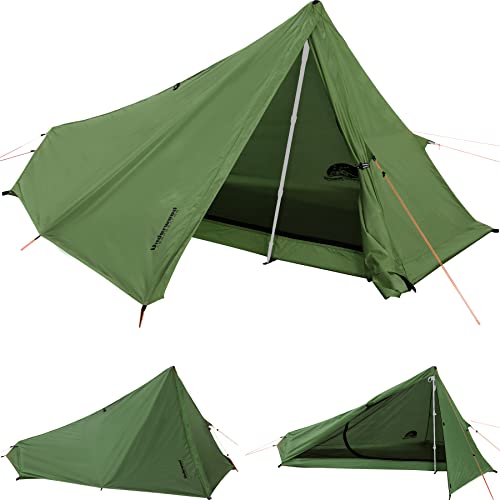
Ultralight Solo Trekker Tent
The Best Ultralight Trekking Pole Tent for solo backpackers who want a compact and easy-to-pitch shelter on the trail.
Daily Use Highlights for Lightweight Backpacking
- Setup is quick and simple, taking about 2 minutes solo without prior experience.
- Works with trekking poles or even hanging from a tree, adding setup flexibility.
- Lightweight at only 2.5 lbs, easy to carry in any backpack.
- Waterproof material and sealed seams keep you dry in wet weather.
- Good ventilation reduces condensation, improving comfort overnight.
- Compact packed size fits neatly in small gear spaces.
Considerations Before Buying
- Does not include trekking poles; you must supply your own or use alternatives.
- Single-person size may feel tight for those wanting extra room.
- Vestibule needs proper staking to maintain airflow and reduce condensation.
A Balanced Look at This Tent
This tent stands out for its ultralight design and clever use of trekking poles or natural supports, making it well suited for solo hikers focused on weight savings. The waterproof fabric and sturdy construction offer solid protection against rain, which is crucial on unpredictable trips.
On the flip side, relying on trekking poles or finding a suitable tree for setup might be limiting in some environments. The compact interior also means it’s best for those comfortable with minimal space. Still, it delivers confidence and ease when pitched correctly.
Thoughtful Shelter Choice for Minimalist Trekkers
If you prioritize light gear and quick setup, this tent fits well. It’s ideal for solo backpackers who carry trekking poles and appreciate a no-fuss shelter with reliable weather protection. However, if you want included poles or more room, this might not be the best fit.
Remember to test the setup before your trip to get familiar with the vestibule staking for airflow. This small step helps avoid condensation and keeps your night comfortable. Overall, it’s a solid, practical tent that balances weight, protection, and simplicity without extras you might not need.
Narrowing Down The Best Ultralight Trekking Pole Tent
Choosing the right ultralight trekking pole tent is about matching it to your specific hiking style. Think about the number of people and how much gear you carry. Weight matters, but so does ease of setup after a long day. Most people miss checking the ventilation options, which can make a big difference in comfort. Also, consider if you have trekking poles or need a tent that works without them. Keep your climate and typical weather in mind. Focus on simplicity and reliability above all.
The 30-second Checklist
- Can you set it up solo without hassle?
- Does it fit your sleeping pad and gear comfortably?
- Is it waterproof enough for your usual conditions?
- Will it pack small enough to fit in your backpack?
- Does it offer good airflow to reduce condensation?
- Is it compatible with your trekking poles or alternative supports?
Common Regrets When Choosing A Trekking Pole Tent
Regret #1: Buying a tent that’s too cramped. A tight space can make rest difficult. Fix this by choosing a tent with adequate floor area and vestibule space for gear.
Regret #2: Overlooking ventilation leads to dampness inside. This can make sleeping uncomfortable. Look for tents with mesh panels and vents to keep airflow steady.
Regret #3: Assuming trekking poles are included or compatible. Many tents require specific pole lengths or don’t come with poles at all. Verify pole compatibility before buying to avoid surprises.
Quick Pick Table For Best Ultralight Trekking Pole Tent
| If you want… | Look for this | Avoid this |
|---|---|---|
| Lightest possible setup | Tents under 3 lbs with minimal extra features | Heavy fabrics or complex frame designs |
| Room for two people | Models with wider floor plans and dual vestibules | Compact solo tents or narrow designs |
| Easy solo pitch | Tents designed for one-person quick setup | Multi-pole or complex assembly tents |
| Good ventilation to reduce condensation | Double-layer tents with mesh panels and vents | Single-wall tents without ventilation options |
| Use without trekking poles | Tents that can be pitched using trees or stakes alone | Tents requiring trekking poles only |
Practical Tips For Setting Up And Using Ultralight Trekking Pole Tents
- Always check your trekking pole length before setup to ensure a stable pitch.
- Use the vestibule space wisely to keep gear dry and out of your sleeping area.
- Stake out the tent tightly to prevent sagging and improve wind resistance.
- Adjust vestibule openings to balance ventilation and protection against rain.
- Practice pitching your tent at home to speed up setup on the trail.
Faqs About Best Ultralight Trekking Pole Tent
Can I use any trekking poles with these tents?
Most ultralight trekking pole tents require poles of a certain minimum length, usually around 46-47 inches. Check the tent specifications to ensure your poles are compatible. Poles that are too short may not provide proper support.
Are these tents suitable for all seasons?
Many ultralight trekking pole tents are designed for 3-season use, handling rain and moderate wind. They may not be ideal for heavy snow or extreme winter conditions. Always review the tent’s waterproof rating and material.
How much space do these tents typically offer?
Space varies by model, but one-person tents generally fit a sleeping pad plus minimal gear, while two-person models provide more room and vestibules for storage. Consider your gear load to pick the right size.
Do these tents come with trekking poles included?
Most trekking pole tents do not include poles. They rely on your existing trekking poles or sticks. Confirm this before purchasing to avoid surprises and plan accordingly.
How do I reduce condensation inside the tent?
Good ventilation is key. Use tents with mesh panels and vents and keep vestibules slightly open to allow airflow. Avoid blocking mesh doors with curtains or vestibule fabric.
Are these tents noisy in the wind?
Lightweight fabrics can sometimes flap in the wind. Proper staking and tensioning reduce noise. Choosing tents with sturdier materials may help if noise is a concern.
What’s the best way to clean and maintain these tents?
Spot clean with mild soap and water. Avoid harsh detergents or machine washing. Store tents dry to prevent mildew and check seams for wear regularly.
Final Thoughts On The Best Ultralight Trekking Pole Tent
Finding the best ultralight trekking pole tent depends on balancing weight, space, and ease of use. Focus on what fits your style of trekking and the environments you frequent. Ventilation and compatibility with your poles are often overlooked but vital factors.
When in doubt, choose the tent that offers a simple setup and good airflow. This approach reduces common issues and keeps your trip comfortable. Remember, the right tent makes your outdoor experience more enjoyable, not more complicated.