Can Bed Bugs Travel in Your Hair: Shocking Truth Revealed!
Have you ever wondered if bed bugs can actually travel in your hair? The thought alone can send shivers down your spine.
You might have spotted tiny bugs crawling nearby and instantly worried they’ve made your scalp their new home. But can bed bugs really live, nest, or move through your hair like lice do? Understanding the truth behind this common fear can help you stay calm and take the right steps if you suspect an infestation.
Keep reading to discover how bed bugs behave, why your hair isn’t their favorite spot, and what to do if you think one is hiding in your locks. Don’t let fear control you—get the facts and take charge of your comfort and safety.
Bed Bugs Vs Head Lice
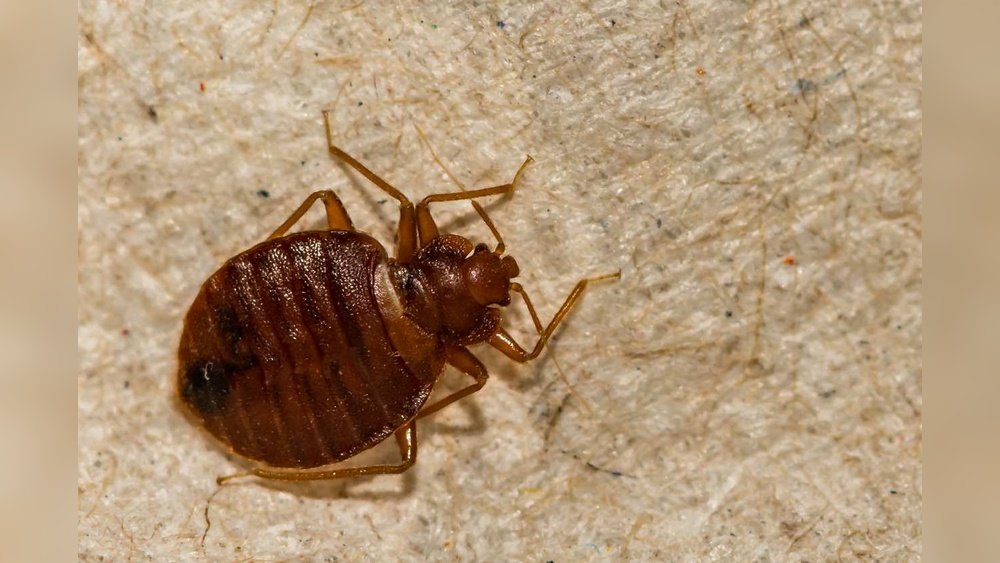
Bed bugs have flat, broad bodies designed to hide in cracks and crevices. Head lice have small claws made to grip hair strands tightly. This physical difference helps tell them apart easily. Bed bugs cannot cling to hair like lice do.
Bed bugs usually come out at night to feed on skin. They do not move around in hair or stay there. Lice live in hair and feed on scalp blood all the time. Bed bugs hide in beds, furniture, and clothing.
People often confuse bed bugs with lice because both bite. Lice cause itching and lay eggs on hair shafts. Bed bugs leave red, itchy bites on skin but do not lay eggs in hair. Seeing bugs in hair is usually lice, not bed bugs.
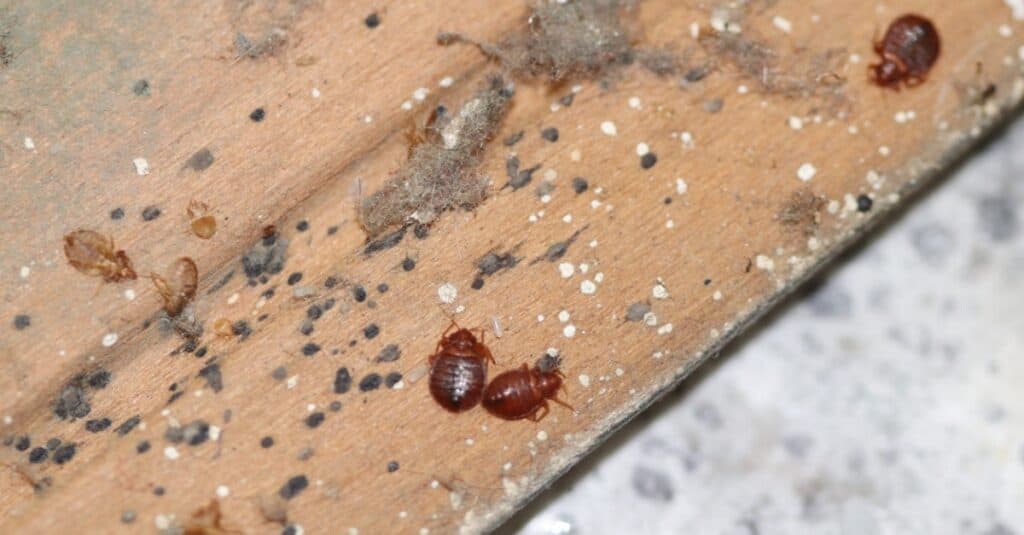
Credit: a-z-animals.com
Bed Bugs And Hair
Bed bugs can technically enter hair, but they do not live or nest there. Their bodies are flat and wide, which makes it hard to hold onto hair strands like lice do. They prefer to hide in tight, dark places such as mattress seams, furniture cracks, or behind baseboards.
Hair is not a good place for bed bugs because it is too exposed and they cannot grab hair firmly. They also need to stay close to where people sleep to feed at night. Bed bugs do not burrow into hair or scalp like lice.
Some cases report bed bugs found in hair, but these are rare and usually accidental. Most often, a bed bug found in hair is just a one-time event from crawling onto a person briefly. Regular washing and combing can easily remove them.
Where Bed Bugs Prefer To Hide
Bed bugs usually hide where they can stay close to people. They prefer dark, tight spaces like mattresses, box springs, and furniture cracks. These spots offer them safety and easy access to feed on blood at night.
On the body, bed bugs like to stay near the neck, shoulders, and waistline. They look for thin skin to bite. Despite some stories, bed bugs rarely stay in hair. Hair is not a good place for them because it is too thick and moves a lot.
Bed bugs do not have claws to hold onto hair well. They prefer flat surfaces to hide. If one is found in hair, it is usually by accident and won’t stay long. Washing and combing hair can easily remove any stray bugs.
Signs Of Bed Bug Presence
Bed bug bites often appear as small, red, itchy spots. These bites can look like mosquito bites or allergic reactions. The bites usually appear in a line or cluster. Some people may not react at all, while others get swelling or rash.
Bed bugs are flat and oval-shaped, unlike lice which have claws to hold hair. Lice stay attached to hair strands, but bed bugs prefer hiding in cracks or mattress seams. This difference helps to identify the pest.
Suspect bed bugs in hair if you feel crawling sensations or see small bugs on scalp or hairline. Bed bugs do not live in hair but may crawl there briefly. It is rare for them to stay in hair long.
Removing Bed Bugs From Hair
Washing hair thoroughly helps remove any bed bugs that might be present. Use warm water and shampoo, scrubbing the scalp carefully. Rinse well to wash away bugs and eggs. A fine-toothed comb can help catch hidden bugs or eggs in hair strands. Repeat washing and combing daily until no bugs are found.
Showering helps because water and soap make it hard for bed bugs to stay attached. Warm water loosens their grip on hair and skin. It also removes sweat and oils that might attract bugs. Shower soon after suspecting exposure to reduce chances of bugs lingering.
Seek professional help if you see many bugs or bites keep appearing. Pest control experts can treat your home and personal items safely. Doctors can prescribe treatments for skin irritation or allergic reactions from bites. Early help stops infestations from growing.
Credit: centraltermite.net
Preventing Bed Bug Infestations
Inspecting sleeping areas regularly helps catch bed bugs early. Check mattress seams, bed frames, and nearby furniture for small dark spots or bugs. Use a flashlight to spot hiding places. Pay close attention to cracks and crevices where bed bugs like to hide.
Avoiding common bed bug carriers reduces the chance of bringing them home. Be cautious with secondhand furniture, luggage, and clothing from places with known infestations. Keep bags and coats off beds and floors in public places.
Maintaining cleanliness and vigilance is key to prevention. Wash bedding and clothes in hot water often. Vacuum floors and furniture regularly to remove eggs or bugs. Stay alert for itchy bites or red marks on skin. Quick action helps stop infestations from spreading.
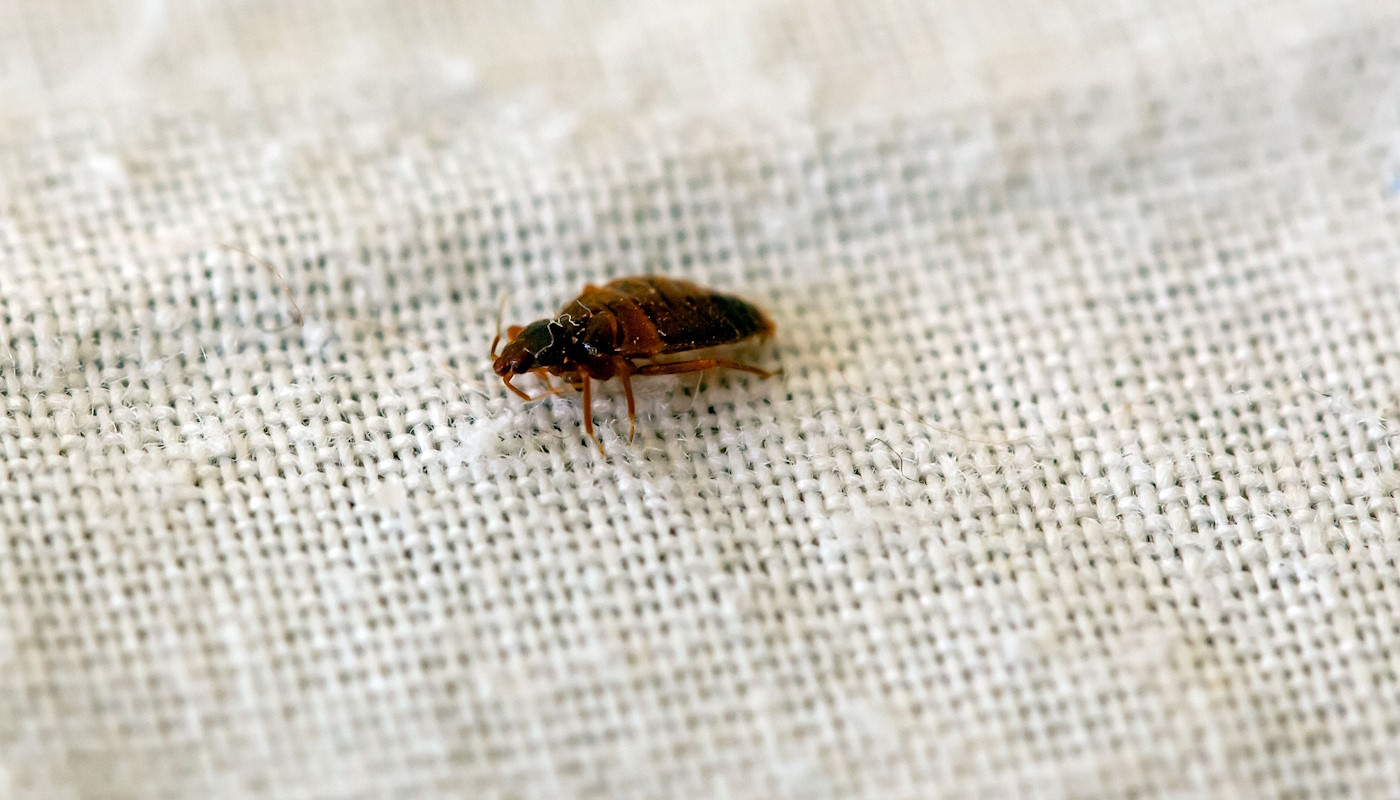
Credit: www.laverypestcontrol.com
Frequently Asked Questions
How Do You Know If You Have Bed Bugs In Your Hair?
Bed bugs rarely live in hair as they lack claws to grip strands. Check for bites on exposed skin, not in hair. If insects appear in hair, they are likely lice. Washing hair with shampoo removes any bed bugs accidentally caught.
Does Showering Remove Bed Bugs?
Showering does not remove bed bugs effectively. They hide in furniture, not hair. Washing hair may wash away stray bugs but won’t kill infestations. Use professional treatments to eliminate bed bugs completely.
Where Do Bed Bugs Hide On Your Body?
Bed bugs rarely hide on your body but may crawl on exposed skin like neck, face, and shoulders to feed. They do not live or nest in hair. They prefer hiding nearby in mattresses and furniture, returning there after feeding on skin.
How Long Can Bed Bugs Stay In Your Hair?
Bed bugs rarely stay in hair because they lack claws to grip hair shafts. They briefly crawl there but don’t live or nest in hair. Washing hair with shampoo easily removes any bed bugs present. They prefer exposed skin and nearby hiding spots like furniture.
Conclusion
Bed bugs do not live or travel in your hair like lice do. They prefer hiding in furniture or cracks near where people sleep. Bed bugs only visit skin briefly to feed and then leave. Seeing one in your hair is rare and usually accidental.
Regular cleaning and checking your bedding helps prevent infestations. Stay calm and act quickly if you suspect bed bugs nearby. Understanding their habits can ease worries and protect your home.