How to Choose Travel Backpack Size?
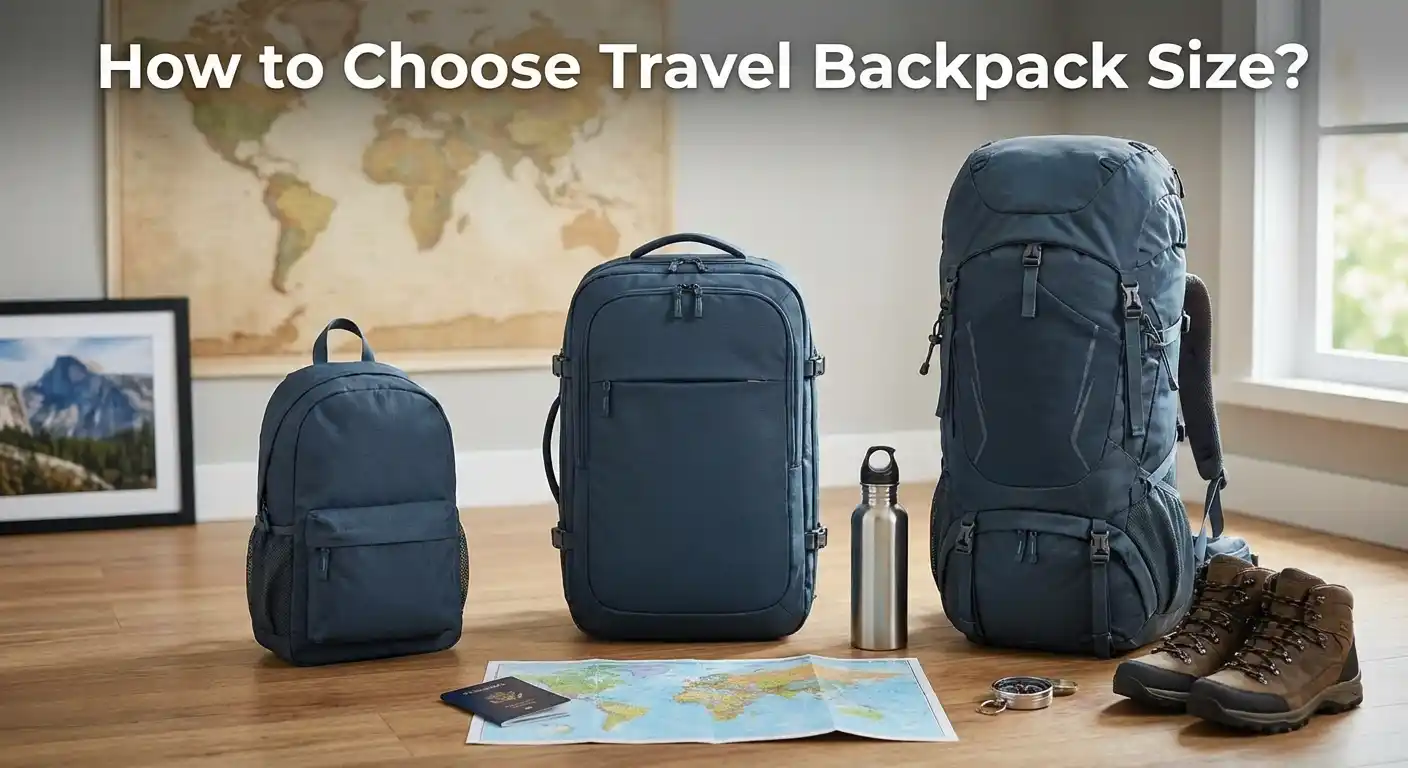
Choosing the right travel backpack size can make or break your trip. If your bag is too big, you might end up carrying unnecessary weight.
Too small, and you’ll struggle to fit everything you need. You want a backpack that fits your travel style perfectly, one that keeps you comfortable and organized from start to finish. In this guide, you’ll discover simple yet powerful tips to help you pick the perfect backpack size for your next adventure.
Ready to stop worrying about your bag and start enjoying your journey? Let’s dive in.
Backpack Size Basics
Backpack size is measured in liters, which shows how much it can carry. Choose a size based on how long your trip will be and what you need to pack.
| Trip Type | Backpack Size (Liters) |
|---|---|
| Day Hikes | 18-40 L |
| Multi-Day Hiking | 35-50 L |
| Climbing / Mountaineering | 20-50 L |
| Trekking (Multi-day) | 40-60 L |
Smaller packs are easier to carry but hold less. Larger packs fit more but can be heavy and bulky. Choose a size that fits your trip length and gear needs.
Also Read: How to Pack a Backpack for Travel?
Trip Duration And Backpack Size
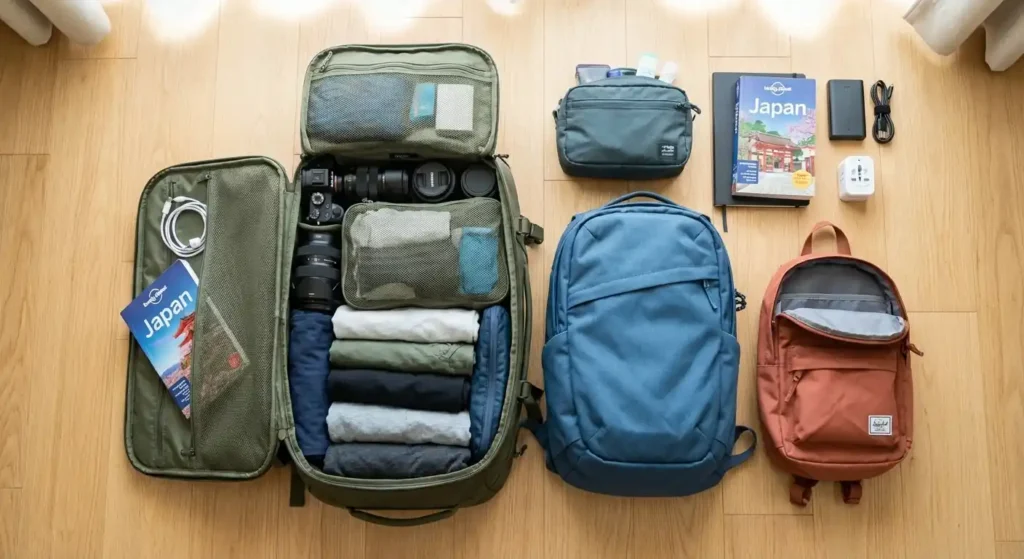
Day trips usually need a small backpack around 15-25 liters. This size fits snacks, water, and a light jacket. It keeps things simple and easy to carry.
For multi-day adventures, backpacks of 30-50 liters work best. They hold clothes, a sleeping bag, and some gear. This size balances comfort and capacity for a few days.
Extended travel calls for larger backpacks of 50-70 liters. These can fit more clothes, shoes, and travel essentials. Good for trips lasting one week or more.
| Trip Type | Backpack Size (Liters) | Key Items |
|---|---|---|
| Day Trips | 15-25 L | Snacks, water, light jacket |
| Multi-Day Adventures | 30-50 L | Clothes, sleeping bag, gear |
| Extended Travel | 50-70 L | More clothes, shoes, essentials |
Also Read: How to Pack a Backpack for Air Travel?
Activity-specific Sizes
Hiking backpacks come in sizes from 18 to 50 liters. For day hikes, choose a pack between 18 and 40 liters. Multi-day hikes need larger packs, around 35 to 50 liters, to carry extra gear and food. Packs in this range offer space without too much weight.
Climbing and mountaineering backpacks are usually 20 to 50 liters. Smaller packs (20-30 liters) work well for short climbs with minimal gear. Bigger packs (up to 50 liters) fit more equipment for longer or tougher climbs. These packs must be easy to carry and strong.
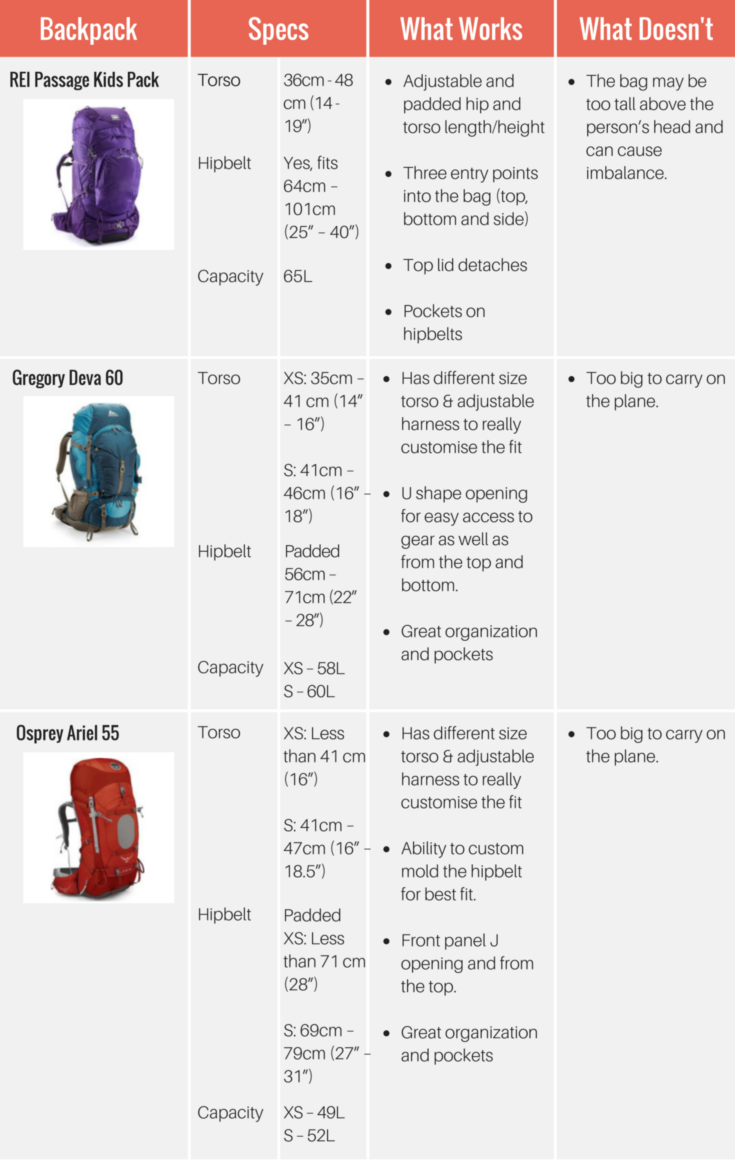
Trekking backpacks are larger, from 40 to 60 liters. They hold all essentials for long trips, including clothes, food, and tents. Choose based on trip length and weather. Make sure the pack fits your body well to avoid pain.
Also Read: What is a Travel Advisor?
Carry-on And Airline Restrictions
Airline policies often limit carry-on backpack size to fit overhead bins. Different airlines have varying size rules, so always check the exact limits for your flight. Size is usually measured in liters, with typical carry-ons around 30-45 liters. A backpack too large may need to be checked in, causing delays and fees.
Choosing a backpack that fits in the overhead bin is crucial. Look for bags with dimensions close to airline limits, often about 22 x 14 x 9 inches. Soft-sided backpacks can be easier to squeeze into tight spaces than hard cases.
| Airline | Max Carry-On Size (inches) | Typical Backpack Volume (liters) |
|---|---|---|
| United | 22 x 14 x 9 | 30-45 |
| Ryanair | 21.6 x 15.7 x 7.8 | 30-40 |
| EasyJet | 22 x 18 x 10 | 30-45 |
Soft backpacks with adjustable straps help fit overhead bins better. Packing smartly also saves space. Remember, weight limits may apply, so keep your backpack light.
Packing Strategies For Size Efficiency
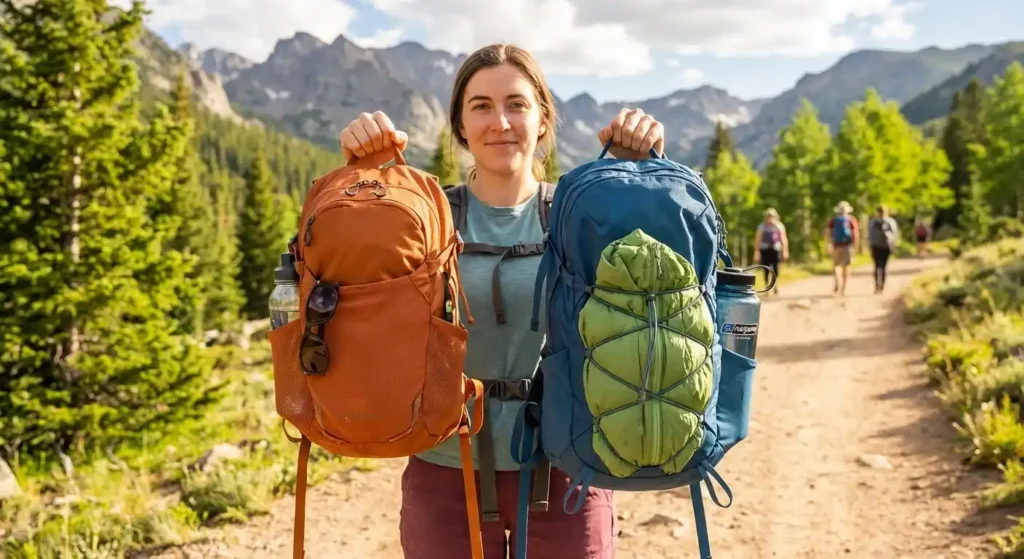
Capsule wardrobe means packing only the essentials. Choose clothes that work well together. This helps make many outfits from few pieces.
Mix and match by picking neutral colors and simple styles. Fabrics that dry fast and resist wrinkles are best. This saves space and keeps you looking good.
Scalability and customization allow for changes on longer trips. Do laundry or add items like jackets or swimwear. Personal needs like bras or layers can be included too.
These tips help keep your backpack light and efficient. Packing smart makes travel easier and less stressful.
Also Read: How to Pack Jewelry for Travel?
Backpack Fit And Comfort
Backpack frames come in different types: internal, external, and frameless. Internal frames fit close to your back and are good for balance. External frames are better for heavy loads and have a rigid structure. Frameless backpacks are lighter but less supportive.
Straps must be adjusted properly. Shoulder straps should fit snugly but not squeeze. Hip belts carry most weight; adjust them to sit on your hips, not your waist. Chest straps help stabilize the pack and keep it from swaying.
Good weight distribution is key for comfort. Put heavy items close to your back and center. Lighter items go at the top and outside pockets. This balance helps reduce strain on your shoulders and back during long trips.
Expandable Vs. Fixed Capacity
Expandable backpacks offer more space when needed. They have zippers or panels to increase volume. This is useful for souvenirs or extra clothes. But they can be heavier and less compact when expanded.
Fixed capacity backpacks keep their size constant. They are usually lighter and more streamlined. This makes them easier to carry and pack. Fixed backpacks suit travelers who pack light and want simplicity.
Choosing depends on your travel style. For uncertain packing needs, expandable helps. For strict packing limits, fixed is better.
Smart Packing Tips
Avoid overstuffing to keep your backpack manageable. Overfilled bags cause discomfort and damage. Use packing cubes to organize and compress items efficiently. This helps fit everything without forcing the bag.
Check weight limits set by airlines or travel rules. Carrying too much weight can lead to fees and strain your back. Aim to pack only what is necessary for your trip length and activities.
Plan ahead by listing what you need for each day. This prevents packing extra items you won’t use. Consider the weather and type of trip to decide on clothing and gear. Packing smart saves space and keeps your backpack light.
Frequently Asked Questions
What Is The Ideal Size For A Travel Backpack?
The ideal travel backpack size ranges from 30 to 45 liters for most trips. Choose based on trip length and airline carry-on limits. A 40-liter pack suits weekend or short trips, while 45 liters fits longer journeys without checked luggage.
Always check airline size restrictions before packing.
What Is The 1 2 3 4 5 6 Packing Rule?
The 1 2 3 4 5 6 packing rule guides travelers to pack 1 shirt, 2 pants, 3 underwear, 4 socks, 5 accessories, and 6 essentials. This method ensures balanced, lightweight luggage for efficient travel. It simplifies packing and reduces overpacking.
How To Choose The Correct Size Backpack?
Choose a backpack size based on trip length and activity: 18-40L for day hikes, 35-60L for multi-day trips. Check airline carry-on limits. Select a size that fits your torso and pack essentials without overstuffing. Prioritize comfort and accessibility for a perfect fit.
Is A 45l Backpack Too Big For Carry-on?
A 45L backpack can be too large for some airlines’ carry-on limits. Check airline size rules before flying. Pack smart to avoid overstuffing and ensure it fits overhead bins.
Conclusion
Choosing the right travel backpack size makes your trip easier and more fun. Think about trip length, what you need to carry, and airline rules. Smaller backpacks suit short trips and carry-ons, while larger ones fit longer adventures. Avoid packing too much to stay comfortable and mobile.
A well-sized backpack saves time and stress at airports. Focus on your needs, not just numbers or labels. This simple approach helps you enjoy travel without extra weight or hassle. Your perfect backpack size is just a smart choice away.