Best Personal GPS for Hiking 2026: Top Picks for Outdoor Safety
Finding the best personal GPS for hiking can make a big difference on the trail. It’s not just about tracking your location but having a reliable tool that works when you need it most. A good GPS device offers clear maps, accurate positioning, and long battery life without being bulky. Whether you’re going on a short day hike or a multi-day adventure, having a dependable GPS helps you stay safe and confident. Understanding what features matter can save you from frustration and keep your focus on enjoying the outdoors. Let’s explore what makes a personal GPS stand out for hiking needs.
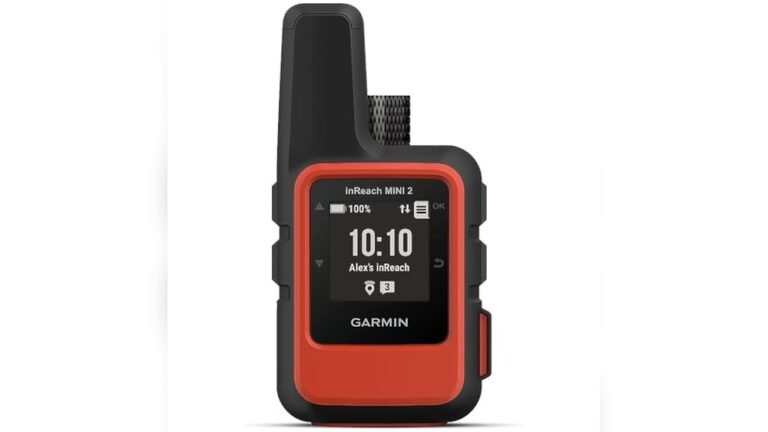
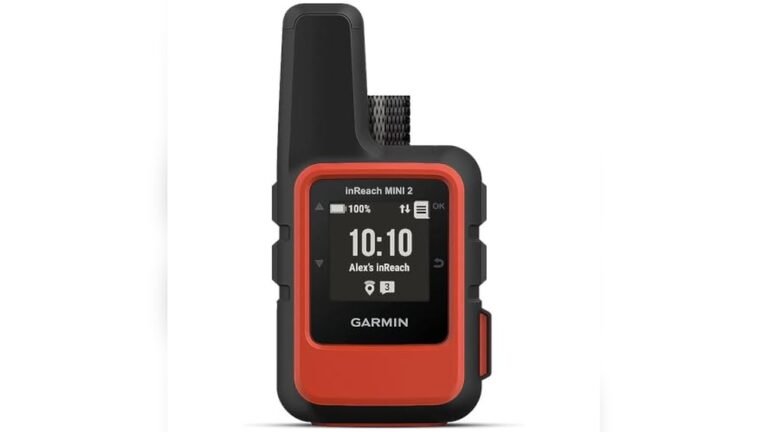
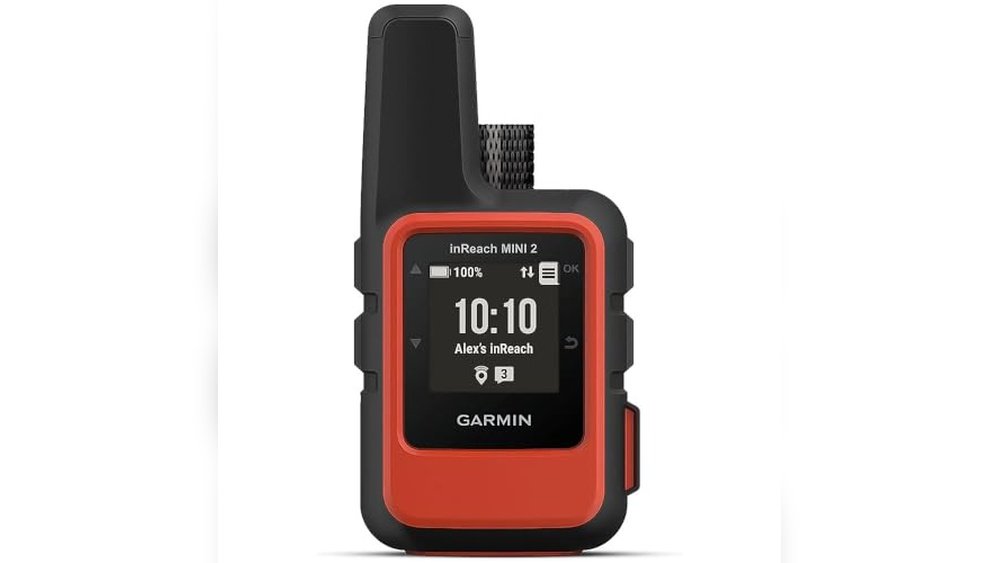
Garmin Inreach Mini 2 Hiking Gps
The Garmin inReach Mini 2 is a solid choice for those looking for the Best Personal Gps for Hiking, especially for hikers who want reliable satellite communication and safety features in a compact device.

Daily Use Highlights for Hikers
- Compact and lightweight design makes it easy to carry on long hikes without feeling burdened.
- Reliable two-way satellite messaging keeps you connected even without cell coverage.
- TracBack routing allows you to navigate back to your starting point confidently.
- Digital compass provides accurate heading info, useful when standing still or moving.
- Syncs with Garmin Explore app for easy trip planning and waypoint management.
- Water-resistant build helps it withstand outdoor conditions.
Considerations Before Buying
- Requires an active satellite subscription for full messaging and SOS features.
- Small screen size can be challenging for detailed map viewing.
- Some users may find the interface less intuitive initially without prior Garmin experience.
- Not a full GPS navigation device—more focused on communication and safety.
Balancing Safety and Portability
This device shines as a safety tool in remote hiking environments. It’s designed to keep you connected and offer peace of mind through interactive SOS and messaging capabilities. The compact form factor means you won’t be weighed down, yet you get a robust satellite communicator.
The main trade-off is the need for a satellite subscription, which adds ongoing cost. Also, if you expect a detailed GPS mapping system, this might feel limited. It’s best viewed as a companion device for emergencies and location sharing rather than a full navigation solution.
Where This Fits in Your Hiking Gear
If you often hike in areas without reliable cell service and want a lightweight way to stay in touch or call for help, this device fits well. It offers reassurance without adding much bulk.
However, if you prefer an all-in-one GPS with extensive mapping and no subscription fees, this might not be your first choice. The small screen and additional costs could be frustrating for casual hikers.
- Ideal for backcountry hikers and solo travelers prioritizing safety.
- Not suited for those wanting a large detailed GPS map on a device.
- Good for anyone comfortable with using smartphone apps alongside their device.
Thoughtful Gear for Serious Hikers
The Garmin inReach Mini 2 is a practical pick for hikers needing a reliable way to communicate off-grid. It’s especially useful if you plan to hike in remote regions where cell phones fail.
Those who don’t want recurring costs or prefer a device focused on navigation might want to look elsewhere. If you do choose it, pairing it with the Garmin Explore app helps make planning and tracking easier.
Remember, this device adds a layer of safety and confidence but doesn’t replace good preparation and traditional navigation skills. It’s a steady companion when you want to stay connected while exploring far from help.
Compact Hiking Gps By Niesahyan
The Best Personal Gps for Hiking for outdoor enthusiasts who want a reliable and rugged device to track their routes and waypoints precisely.

What to Expect from This Hiking GPS
This device is a sturdy, waterproof personal GPS designed specifically for hiking. It solves the challenge of losing track of your location by offering multi-GNSS support, which improves positional accuracy to within about 5 feet. Its 3.2-inch sunlight-readable screen and physical buttons ensure usability even in bright outdoor conditions.
In real use, the GPS feels dependable and straightforward. Navigating trails or marking waypoints is intuitive, helping you stay confident about your position. The long battery life of up to 36 hours adds convenience, letting you focus on the hike without frequent recharging.
Who Benefits Most and Who Might Look Elsewhere
This GPS is ideal for hikers who need a compact and rugged device that works well in various weather conditions. Its waterproof design and clear display make it suitable for serious outdoor adventurers who value precision and ease of use.
On the other hand, those looking for a GPS with extensive smartphone integration or advanced mapping features might find this unit limited. The focus here is simplicity and reliability over extra bells and whistles.
- Great for tough environments due to water resistance (IP66 rating).
- Easy to read screen under bright sunlight.
- Simple physical buttons that work well with gloves or wet hands.
- Long battery life supports extended trips.
- Accurate multi-GNSS positioning for confident navigation.
Thoughts for Outdoor Enthusiasts
This GPS offers a balanced mix of durability and function for hikers who prioritize reliability over complex features. The inclusion of a 3-axis compass and barometric altimeter adds useful tools for navigation without complicating the user experience. A minor trade-off is that it may lack some modern connectivity options, but this keeps the focus on core navigation strengths.
For anyone venturing into the backcountry, this device provides peace of mind by helping maintain orientation and track progress. Its straightforward operation means less time fiddling and more time enjoying the trail.
Guidance for Your Hiking Gear Choice
If you’re someone who often hikes in remote areas and needs a durable, easy-to-use GPS, this NiesahYan unit is a practical choice. Its robust design and accurate positioning make it a dependable companion for solo or group excursions.
However, if you prefer a GPS with smartphone syncing or advanced digital maps, this model might feel too basic. Consider your priorities carefully before deciding.
One tip: test the physical buttons and screen visibility in sunlight before heading out to ensure comfort with the device controls. Remember, a reliable GPS is a tool to support your adventure, not complicate it.
Garmin Montana 760i Portable Gps
For hikers seeking the Best Personal Gps for Hiking, this device offers reliable navigation and communication beyond cell coverage.

Practical Insights for Hiking Use
- Clear 5-inch color touchscreen offers easy map reading and navigation.
- Satellite communication via inReach keeps you connected even without cell service.
- Built-in 8MP camera helps document locations and memorable moments.
- Compact and robust design withstands outdoor conditions comfortably.
- Preloaded TopoActive maps simplify route planning and exploration.
Considerations Before Buying
- Requires an active satellite subscription for communication features.
- Relatively heavier compared to simpler handheld GPS units.
- Some advanced features may have a learning curve for casual users.
Thoughts on the Garmin Montana 760i
The Garmin Montana 760i blends navigation and satellite communication in a single rugged device, ideal for serious hikers venturing beyond cell range. Its large screen and reliable GPS capabilities provide confidence when exploring remote trails. The integrated SOS and messaging functions add a valuable safety layer.
That said, the need for a subscription to access satellite messaging might not suit every user, especially those on a budget or who hike infrequently. The device feels solid in hand but is bulkier than basic GPS trackers, which could affect long hikes where weight is a concern.
Guidance for Potential Buyers
This GPS is best for hikers who prioritize safety and want seamless communication in remote areas. If you often trek in places without cellular coverage or require detailed mapping with photo tagging, it fits well. On the other hand, casual hikers or those sensitive to device weight might find it less appealing.
Before buying, consider the ongoing cost of satellite communication and whether the advanced features align with your hiking style. Rest assured, once set up, the Montana 760i offers dependable navigation and peace of mind on the trail.
Garmin Etrex 32x Portable Gps
For hikers looking for the Best Personal Gps for Hiking, the Garmin eTrex 32x offers a reliable and durable navigation tool suited for outdoor adventures.

Everyday Use Insights for Hikers
- Clear 2.2-inch color screen works well even in bright sunlight.
- Preloaded maps help you find both roads and hiking trails easily.
- Supports GPS and GLONASS satellites for better tracking in dense areas.
- Memory allows downloading additional maps for extended trips.
- Compact size and lightweight design make it easy to carry all day.
- Simple interface reduces distractions during navigation.
- Battery life is solid for multi-day hikes without constant charging.
Thoughts on Using the Garmin eTrex 32x
The Garmin eTrex 32x is a solid, no-frills handheld GPS device that stands up well on hiking trails. It solves the common problem of losing signal or maps when off the beaten path by supporting multiple satellite systems and offering detailed topographic maps out of the box. This adds a layer of confidence when trekking through unfamiliar terrain.
Using it feels straightforward, with a readable screen and intuitive controls. I appreciated how easy it was to navigate without fumbling, especially under direct sunlight. Its rugged build and lightweight profile mean it doesn’t weigh you down, making it a practical companion for day hikes or longer adventures.
Finding the Right GPS for Your Trail Needs
This device suits hikers who want a dependable, easy-to-use GPS that covers basic mapping and tracking needs without extra distractions. It’s especially good for those who spend time in areas where satellite signal strength varies, thanks to its dual GPS and GLONASS support.
However, those looking for touchscreen operation or smartphone-like features might find it limiting. If you prefer a sleek, modern interface or integrated apps, this might feel a bit dated.
- Ideal for serious hikers needing reliable navigation in remote areas.
- Great for users who value straightforward functionality over extras.
- Not recommended for users who want a multifunctional device with apps.
Balancing Practicality and Simplicity on the Trail
The Garmin eTrex 32x fits well into the toolkit of hikers who prioritize reliability and straightforward navigation. It may not have flashy features, but its focus on core GPS functions means it performs well where it counts. If you are planning hikes in varied terrain and need a device you can trust to keep you on track, this is worth considering.
On the other hand, if you want integrated connectivity or a touchscreen, you might want to look elsewhere. A practical tip is to familiarize yourself with the device’s controls before heading out to avoid surprises in the field. Overall, it offers steady performance without complicating your hiking experience.
Narrowing Down The Best Personal Gps For Hiking
Choosing the right GPS for hiking is about matching the device to your specific needs. Consider where and how often you’ll use it. Battery life and ease of use matter more than just fancy features. Durability is key if you hike in tough weather or rough terrain. Most people miss checking how well the GPS communicates in remote areas. Also, think about whether you want extra tools like messaging or emergency SOS. Keep your focus on what will keep you safe and on track.
The 30-second Checklist
- Does the GPS hold a charge long enough for your typical hikes? Yes / No
- Is the screen easy to read in bright sunlight? Yes / No
- Can you operate it easily while on the move or with gloves? Yes / No
- Is it water-resistant or waterproof for your hiking conditions? Yes / No
- Does it support the satellite systems you need (GPS, GLONASS, Galileo)? Yes / No
- Can you update maps and software without hassle? Yes / No
Regret Prevention When Choosing A Hiking Gps
Regret #1: Buying a GPS with poor battery life. This often leaves hikers stranded without location info. To avoid this, choose a device with at least 20+ hours of battery life or one that supports easy recharging.
Regret #2: Selecting a GPS that’s hard to read outdoors. If the screen glare is high, it’s frustrating and risky. Pick models with sunlight-readable displays to maintain clear visibility.
Regret #3: Overlooking durability and water resistance. A fragile GPS can fail in rain or accidental drops. Look for devices with solid build quality and at least IPX5 rating or better.
Quick Pick Table For Best Personal Gps For Hiking
| If you want… | Look for this | Avoid this |
|---|---|---|
| Compact and lightweight device | Small size, under 0.3 lbs | Large, bulky models |
| Satellite messaging and SOS features | InReach or similar satellite communicator | Basic GPS without communication |
| Long battery life for multi-day trips | Rechargeable with 20+ hours runtime | Short battery life or non-rechargeable only |
| Easy-to-read screen outdoors | Sunlight-readable color display | Dim or reflective screens |
| Preloaded or downloadable topo maps | Devices supporting map updates and topo data | GPS units with no map support |
Real-life Setup And Use Tips For Your Hiking Gps
- Before heading out, fully charge your GPS and carry a portable charger if possible.
- Download and update maps on your device well before your trip.
- Practice using your GPS controls and features at home to avoid confusion on the trail.
- Keep your GPS in an accessible but protected spot to avoid drops and weather damage.
- Use waypoint marking to track key locations such as trailheads or campsites.
Best Personal Gps For Hiking: Frequently Asked Questions
Will my hiking GPS work in remote areas without cell service?
Yes, personal hiking GPS devices use satellite signals, not cell towers. This allows them to work in remote locations where cell phones often fail.
How important is map updating for hiking GPS units?
Very important. Updated maps ensure trail changes, new routes, and landmarks are accurate. Many devices allow easy wireless or USB updates.
Can I use my hiking GPS in heavy rain or snow?
Most hiking GPS units are designed to be water-resistant or waterproof. Check the IP rating; IPX5 or higher is suitable for rain and wet conditions.
Do I need special skills to use a personal hiking GPS?
Basic navigation skills help, but many devices are user-friendly. Familiarize yourself with the GPS functions before your hike to build confidence.
How do I maintain my hiking GPS for long-term use?
Keep it clean and dry when not in use. Regularly update the software and maps. Avoid dropping the device and store it in a protective case.
Are personal hiking GPS units compatible with smartphones?
Many models sync with smartphone apps for planning and sharing routes. Check compatibility with your phone’s operating system before buying.
Can I rely on my hiking GPS for emergency situations?
Some GPS units include SOS and two-way messaging via satellite. These features require an active subscription and are useful for emergencies beyond cell coverage.
Final Thoughts On Choosing The Best Personal Gps For Hiking
Finding the best personal GPS for hiking means balancing your needs for durability, battery life, and ease of use. Consider where you hike most and the features that will keep you safe and on track. The simplest tie-break rule is to choose a device you feel comfortable operating confidently in all your hiking conditions.