Can Traveling Affect Your Period? Surprising Facts Revealed
Have you ever noticed your period acting a little unpredictable right after a trip? You’re not alone.
Traveling can actually shake up your menstrual cycle in ways you might not expect. Whether it’s a long flight across multiple time zones or just a weekend getaway, your body’s internal clock and hormones can get thrown off balance. This can lead to your period arriving early, late, or even feeling different than usual.
If you want to understand why this happens and how to stay prepared, keep reading—because knowing what’s behind these changes can help you travel with confidence and ease.

Credit: flo.health
Travel And Menstrual Cycle
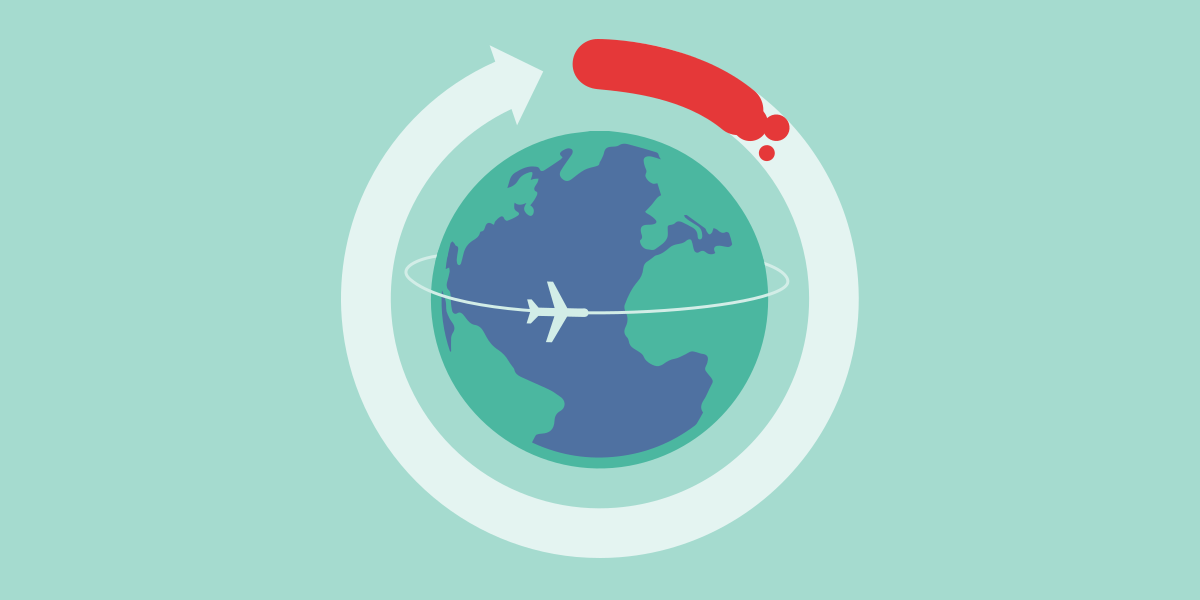
Crossing multiple time zones can change your body’s internal clock. This clock controls hormones like melatonin and cortisol. Such shifts may lead to early or late periods. Your hormone cycle can get confused, causing irregularity.
Sleep patterns often get disrupted during travel. Missing or changing sleep can affect the brain area that controls hormones. This impact may change levels of estrogen and progesterone, key to menstrual cycles.
Stress from travel or new places can raise cortisol levels. High cortisol might delay or alter your period. The body reacts to physical and mental stress differently.
Changes in environment and diet also play a role. Different foods or climates can shift how your body balances hormones. This can cause your period to be lighter, heavier, or off schedule for a short time.
Credit: helloclue.com
Common Period Changes During Travel
Travel can cause early or delayed periods due to changes in time zones and sleep patterns. The body’s internal clock, or circadian rhythm, gets disturbed, affecting hormone levels.
Some may experience skipped cycles. Stress from travel or changes in routine can stop ovulation temporarily. This is common and usually short-term.
Flow variations also happen. Periods might be lighter or heavier than usual. Diet changes, hydration, and stress all play a role in how the flow changes.
| Period Change | Reason | Effect |
|---|---|---|
| Early or Delayed Periods | Jet lag, disrupted sleep | Periods come sooner or later than expected |
| Skipped Cycles | Travel stress, hormonal imbalance | Missing one or more periods |
| Flow Variations | Diet and hydration changes | Periods may be lighter or heavier |
Duration Of Travel-related Cycle Changes
Travel can cause temporary changes in your menstrual cycle. These changes usually last for one or two cycles. The body needs time to adjust after crossing time zones or facing new routines.
Stress and sleep changes can delay or shorten your period temporarily. Most often, your cycle returns to normal without any treatment. Keep track of your periods to notice any unusual patterns.
| When to Seek Medical Advice |
|---|
| If your period is late for more than 3 weeks without pregnancy. |
| If bleeding is much heavier or lighter than normal for several cycles. |
| If you feel pain or discomfort that lasts long during your period. |

Credit: www.samphireneuro.com
Managing Periods While Traveling
Packing essentials include extra pads, tampons, or menstrual cups. Carry pain relief medicine and wet wipes for comfort. Always pack a small pouch with your period supplies for easy access.
Maintaining sleep routine helps keep your hormones balanced. Try to sleep and wake up at similar times daily. Avoid bright screens before bed to improve sleep quality.
Hydration and nutrition tips are key during travel. Drink plenty of water to stay hydrated. Eat balanced meals with fruits and vegetables. Avoid too much caffeine or sugary snacks that may worsen cramps.
Setting expectations is important. Your period might arrive early, late, or be lighter. Stress and new environments can change your cycle temporarily. Be patient; your body will adjust soon.
Special Considerations
Travel can change your ovulation timing. Crossing time zones may shift your body’s clock. This can cause your ovulation to happen earlier or later than usual. Such changes might make your period arrive at a different time than expected.
If your period is delayed after traveling, using a pregnancy test can help. Travel stress and hormonal shifts can delay menstruation, but pregnancy is also possible. Testing ensures you know what is happening with your body.
Frequently Asked Questions
How Long Can Traveling Affect Your Period?
Travel can disrupt your period for one to two cycles due to jet lag, stress, and routine changes. Most irregularities normalize quickly.
Can Traveling Cause Period Delays Or Early Arrival?
Yes, traveling can cause your period to arrive early or be delayed. Changes in time zones, sleep patterns, and stress affect hormonal balance, disrupting your menstrual cycle temporarily.
Why Does Jet Lag Affect Menstrual Cycles?
Jet lag disrupts your internal clock, impacting hormones like melatonin and cortisol. This hormonal imbalance can alter the timing and flow of your period.
How Long Can Travel Affect My Menstrual Cycle?
Travel-related menstrual changes usually last one or two cycles. Your body typically readjusts once your sleep and routine stabilize after traveling.
Conclusion
Travel can change your period’s timing and flow. Jet lag, stress, and new routines disrupt hormones. These changes are usually short-term and go away after a cycle or two. Staying hydrated, eating well, and resting can help your body adjust.
Always pack extra menstrual supplies just in case. If your period is very late, consider taking a pregnancy test. Understanding how travel affects your body can make trips less stressful. Your cycle may shift, but it will most likely return to normal soon.