How to Protect Ski Camera Gear During Travel: Essential Tips
You’ve invested in your ski camera gear to capture those breathtaking mountain moments. But traveling with your equipment can be risky—snow, rain, bumps, and cold temperatures all threaten your valuable gear.
How do you keep your camera safe and ready for action no matter where your ski adventure takes you? You’ll discover simple, effective ways to protect your ski camera gear during travel. From packing tips to weatherproofing tricks, you’ll learn exactly what you need to do to ensure your gear stays secure and functional.
Keep reading, and never worry about your camera gear on the slopes again.
Gear Protection Basics
Use lens and body caps to keep dust and moisture out. Always cover the lens and camera body when not shooting. This prevents scratches and dirt from damaging your gear.
Apply UV filters on your lenses. They protect the glass from scratches, dust, and rain. Plus, they do not affect the image quality much.
Choose weather-sealed equipment if possible. Cameras and lenses with weather sealing resist snow, rain, and cold better. This helps your gear last longer during ski trips.
Credit: cominguprosestheblog.com
Packing Strategies
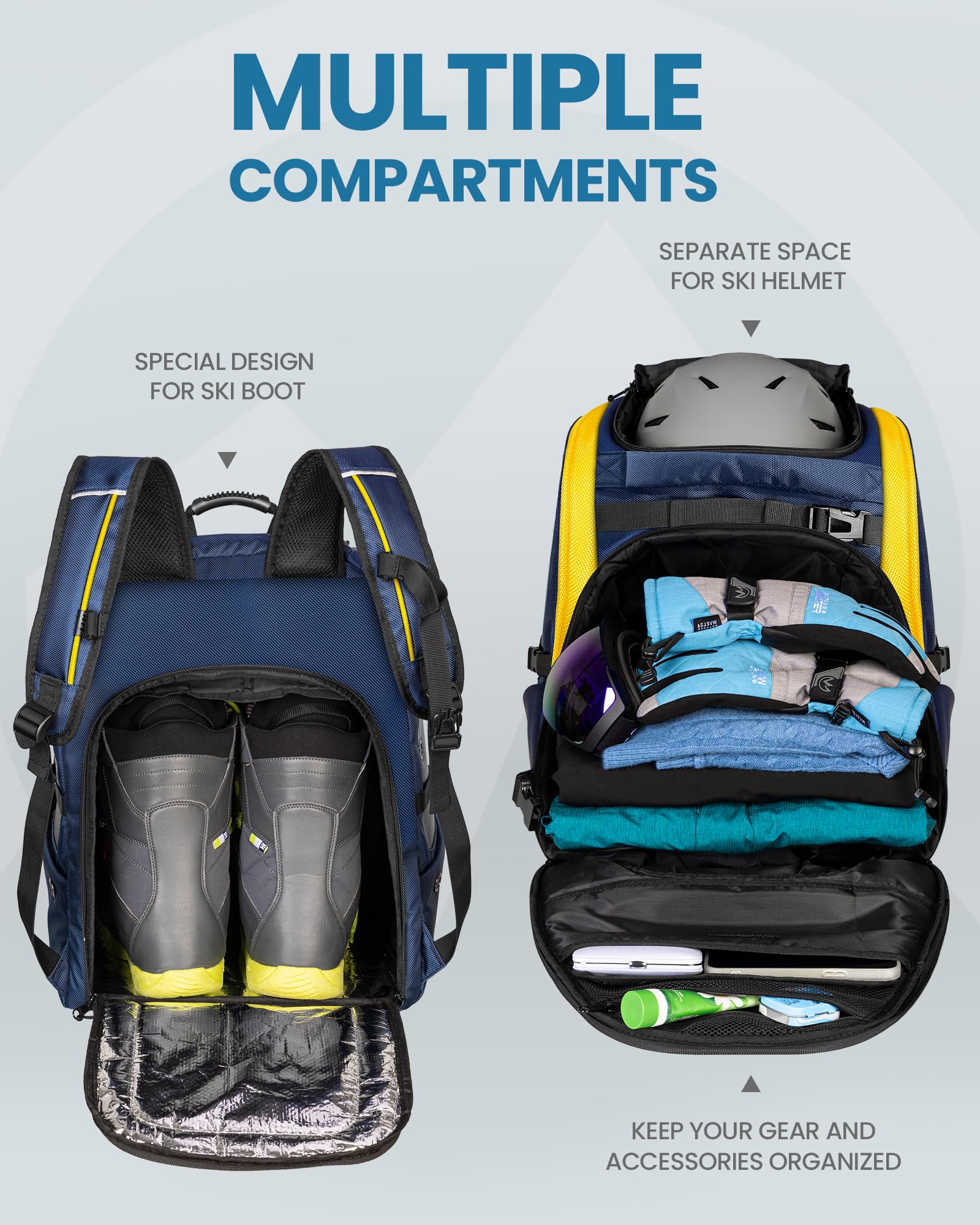
Padded camera bags offer great protection against bumps and drops. They have thick foam to keep gear safe. These bags also help keep snow and rain away from your camera.
Using camera cubes and inserts inside your bags adds extra layers of safety. They fit snugly around your camera gear to stop it from moving. Cubes also make it easier to organize lenses and accessories.
Dry bags keep moisture out during snowy or rainy travel. They are waterproof and seal tightly. Organize your gear in dry bags to prevent water damage and keep things dry and clean.
Handling Moisture And Cold
Protecting your ski camera gear from snow and rain is very important. Use plastic bags and rubber bands to keep moisture out. Put the camera inside the bag and seal it tightly with rubber bands. Cut a small hole at the bottom so the lens can shoot pictures without getting wet.
Keeping your gear warm helps stop cold damage. Use insulated covers to wrap your camera and lenses. These covers keep the cold air away and stop condensation from forming. Warm gear works better and lasts longer in cold weather.
Credit: www.festivaldelnerd.it
Carrying Tips On The Slopes
Wear sling bags across your chest for easy camera access. This keeps your gear close and safe while skiing. Sling bags prevent the camera from swinging or hitting objects.
Keep your bags secure and tight against your body. This reduces the risk of dropping or losing your camera. Straps should be adjusted for a snug fit.
Avoid placing bags under trees. Snow or ice can fall and damage your equipment. Also, branches may scratch or break your gear if you stop beneath them.
During Use Precautions
Always check your surroundings before taking a shot. Look out for falling snow, ice, or people nearby. This helps avoid accidental damage to your camera.
Try to minimize lens exposure to snow, wind, and moisture. Use a lens hood or keep the camera under your jacket when not shooting. This keeps the lens clean and dry.
Wear gloves when handling your camera gear. Cold fingers can make it hard to hold your equipment securely. Gloves also protect your hands from frostbite and improve grip.
Credit: lepaystchad.com
Traveling With Ski Camera Gear
Use hard or soft protective cases to keep your camera gear safe. Hard cases protect against drops and heavy pressure. Soft cases offer padding and are easier to carry. Choose one based on your travel needs.
Always pack camera gear separately from ski equipment. This reduces risk of damage from ski gear impact. Use dedicated compartments or bags to avoid scratches and bumps.
| Tip | Benefit |
|---|---|
| Use hard or soft protective cases | Protects from shocks and pressure |
| Pack separately from ski gear | Reduces risk of damage |
| Label gear for easy identification | Saves time during travel and security checks |
Label your gear clearly. This helps find it quickly in bags or luggage. Use bright tags or stickers. It also helps during airport security checks.
Frequently Asked Questions
How To Keep Camera Gear Safe While Traveling?
Use padded camera bags or protective cubes to cushion gear. Secure straps and carry bags close to your body. Apply lens and body caps to shield sensors and glass. Wrap gear in waterproof covers or ziplock bags during rain or snow.
Avoid exposing gear to extreme cold or moisture.
How To Protect A Camera While Skiing?
Use a padded, waterproof camera pack to protect your gear from impacts and moisture. Keep lens caps and use UV filters. Store your camera in insulated, sealed bags to prevent cold damage. Secure the bag close to your body to avoid falls and snow exposure.
How Do People Travel With Ski Gear?
People travel with ski gear by using padded ski bags, hard cases, or backpacks designed to protect equipment during transit. They secure boots, skis, and poles separately, and often use airline-approved luggage with locks for safety and convenience.
How To Protect Camera Gear?
Use padded camera bags and lens caps to shield gear. Keep equipment dry with waterproof covers or bags. Handle gear carefully to avoid drops and impacts. Store gear in temperature-controlled places to prevent damage. Clean lenses regularly to maintain image quality.
Conclusion
Protecting your ski camera gear during travel takes planning and care. Use padded bags and secure straps to avoid damage. Keep gear dry by using waterproof covers or bags. Store lenses with caps and use lens filters for extra safety.
Carry your camera close to your body for quick access and protection. Taking simple steps ensures your gear stays safe in cold, snowy conditions. Enjoy capturing your adventure without worry.