How to Travel With a Camera: Expert Tips for Stunning Photos
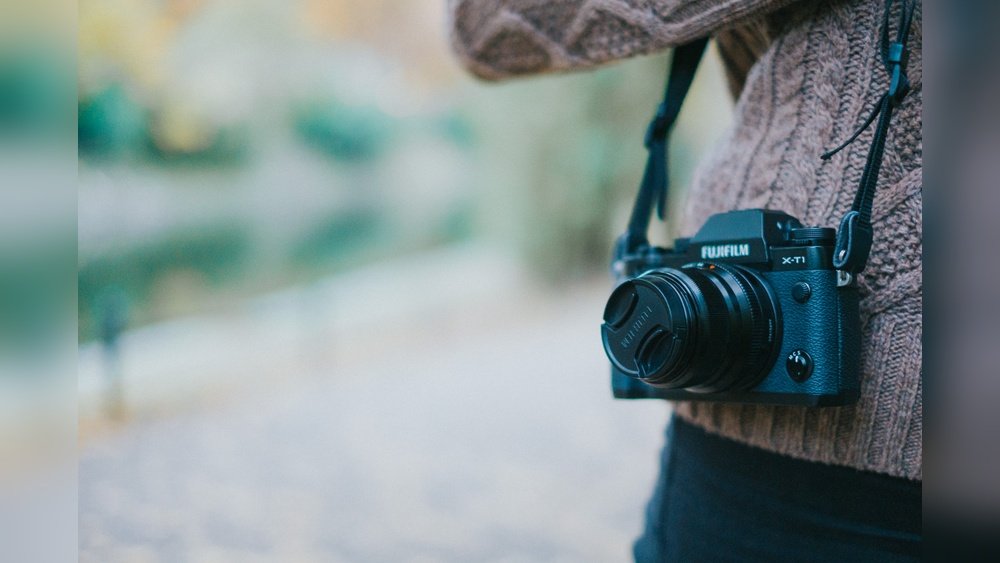
Traveling with a camera can turn any trip into an unforgettable adventure, capturing moments that tell your unique story. But if you’re like most photographers, you know that carrying your gear isn’t always easy.
You want to protect your camera, avoid heavy loads, and still be ready to snap that perfect shot at a moment’s notice. How do you balance all this without feeling weighed down or stressed? In this guide, you’ll discover simple, practical tips to travel smart with your camera—whether you’re flying, exploring a city, or hiking a trail.
Keep reading, and learn how to keep your gear safe, lightweight, and always within reach. Your next great photo is waiting!
Packing Light
Carry only essential gear like one camera body, a versatile lens, and extra batteries. Avoid packing too many items to keep weight low.
Use carry-on luggage to keep your camera safe and close. Checked bags can be rough, risking damage or loss of gear.
Padded camera bags protect your equipment from bumps and scratches. Look for bags with strong padding and compartments to organize your gear.
Keep lenses detached and stored separately to avoid damage. Label your gear to make it easy to find and check at airport security.
Protecting Equipment
Use an Internal Camera Unit (ICU) to keep your gear safe inside your bag. It cushions your camera and lenses from shocks and bumps. Always detach lenses from camera bodies and cover both ends with lens caps. This prevents scratches and dust from entering. Separate lenses make packing easier and safer.
Secure your camera bag with TSA-approved locks. These locks can be opened by airport security without damage. It adds an extra layer of protection against theft. Make sure your bag is easy to open for inspections but still secure enough to keep your gear safe.
Navigating Airport Security
Prepare for scanning by placing your camera gear in an easy-to-access bag. Remove lenses and batteries to speed up the process. Keep your camera and accessories organized to avoid delays. Hand check requests may happen if security wants to inspect your gear closely. Be polite and ready to open your bag for inspection. Show your camera carefully to avoid damage.
Know the battery rules. Most airports allow batteries in carry-on bags only. Remove batteries from your camera if possible. Carry spare batteries in separate plastic bags to prevent short circuits. Always check airline policies before your trip.

Credit: www.youtube.com
Traveling Discreetly
To blend with locals, wear simple clothes like they do. Avoid flashy colors and logos. Carry a small camera bag that looks like a normal backpack or purse. This helps keep your gear hidden and less tempting to thieves.
Disguise your gear by using lens caps and covers that don’t draw attention. Wrap your camera in a scarf or cloth when not in use. This keeps it safe and less visible in public places.
Stay alert in crowds. Watch your surroundings carefully to avoid pickpockets. Keep your camera strap around your neck or wrist at all times. Avoid showing expensive equipment openly. Move calmly and confidently to avoid standing out.
Daily Carry Tips
Using sling or small bags helps keep your camera close and easy to reach. These bags are lighter and do not draw much attention. Always secure straps tightly to avoid swinging or slipping. Straps with padding make carrying more comfortable during long walks.
Avoid snatch theft by staying alert in crowded places. Keep the bag in front of you, not behind. Choose bags with zippers or flaps that close well to stop quick grabs. It is smart to use bags with hidden pockets for extra safety.
Storing Gear Safely
Hard cases provide the best protection for your camera gear during travel. They prevent damage from drops and pressure. Choose cases with foam padding that fit your equipment snugly. This stops your gear from moving inside.
Always lock and hide your equipment. Use small TSA-approved locks to secure your cases. Keeping your gear out of sight lowers the risk of theft. Avoid flashy bags that draw attention.
For car storage, place your gear in the trunk or under seats. Do not leave cameras visible on the seats. Use a hard case or padded bag to protect from bumps while driving. Keep your car locked at all times.
Essential Accessories
A lens cleaning kit keeps your camera glass clear and sharp. It usually includes a microfiber cloth, cleaning solution, and a brush to remove dust and smudges gently. Clean lenses help capture crisp photos.
Carry spare batteries and chargers to avoid missing shots. Batteries run out fast, especially in cold weather. Having extras ensures your camera stays powered throughout the day.
Use a memory card storage case to keep cards safe and organized. These cases protect cards from damage and loss. Carry extra memory cards for more photo capacity.
A lightweight travel tripod helps stabilize your camera for clear, steady pictures. Choose one that folds small and weighs little, making it easy to carry while traveling.
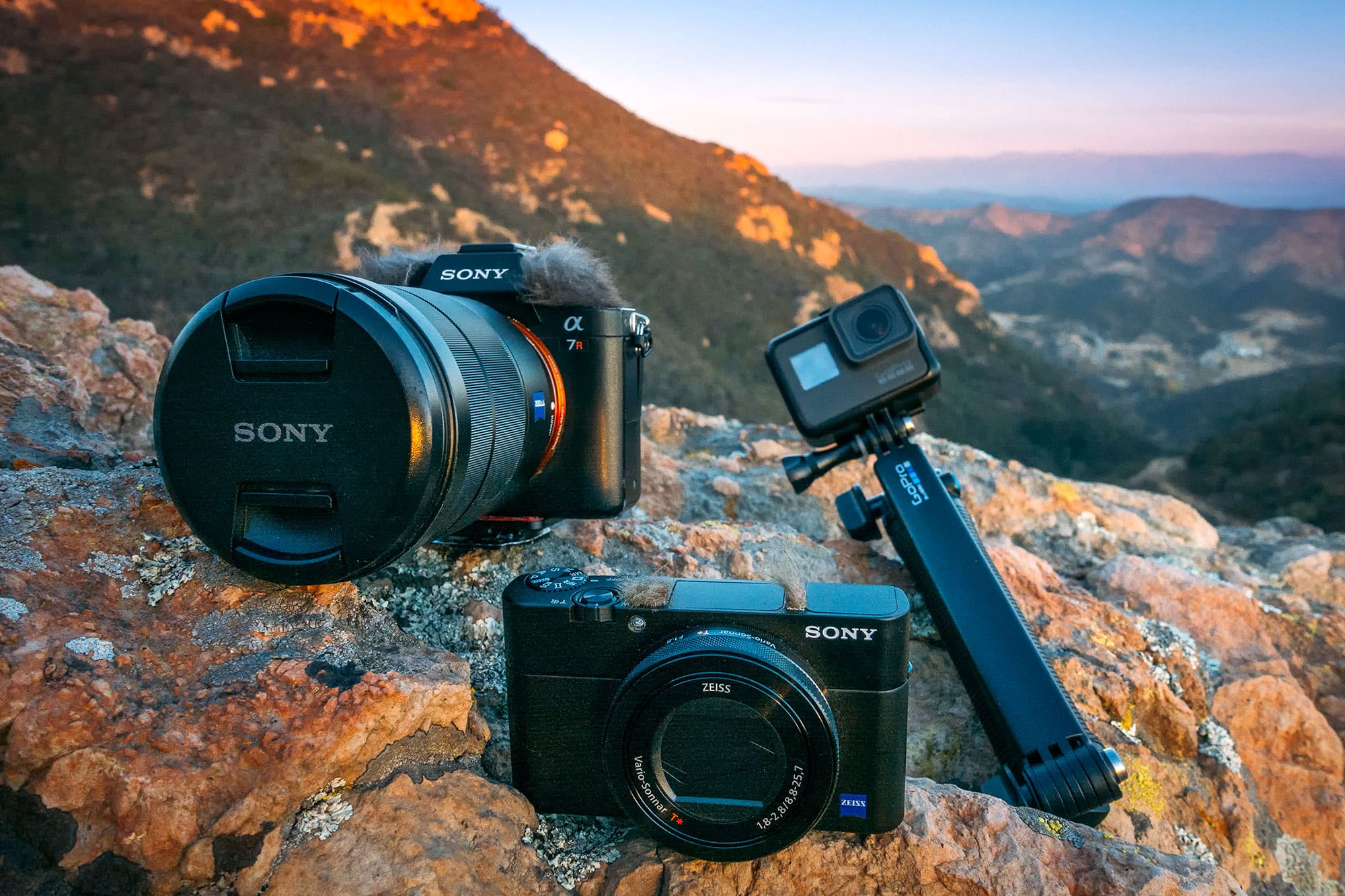
Credit: expertvagabond.com
Managing Weight
Wear pockets on your clothes to carry small camera accessories. This helps keep your hands free and reduces the need for extra bags. Items like memory cards, batteries, and lens caps fit well in pockets.
Renting heavy camera gear at your destination saves weight and space in your luggage. This avoids carrying bulky equipment on long trips. Many places offer affordable rental options for cameras, tripods, and lenses.
This method lets you travel lighter and focus on capturing great shots. Carry only the essential gear and rent the rest. It makes moving around easier and more comfortable.
Maximizing Efficiency
Label your equipment clearly with your name and contact info. This helps if bags get lost. Use bright tags or stickers to spot gear fast. Pack gear in organized compartments to avoid damage.
Arrive early at airports to have extra time for security checks. This reduces stress and helps protect your camera. Security lines can be long, so early arrival is smart.
Try to secure overhead bin space on planes for your carry-on. Store your camera bag overhead to keep it safe and within reach. Ask flight attendants for help if needed.

Credit: www.slrlounge.com
Frequently Asked Questions
How To Travel With A Camera On A Plane?
Carry your camera and lenses in a padded carry-on bag to protect them. Separate lenses and use body caps. Keep batteries in carry-on luggage. Arrive early to secure overhead bin space. Use TSA-approved locks and be ready to remove gear during security checks.
Will Tsa Hand Check A Camera?
TSA may hand check a camera, especially with film inside, to avoid damage from X-ray scanners. Keep it accessible.
Can I Carry A Camera Through Tsa?
Yes, you can carry a camera through TSA in both carry-on and checked luggage. Always pack cameras in carry-on to protect fragile gear. Be ready to remove cameras for security screening, and keep lithium batteries in carry-on bags only. Use padded camera bags for extra protection.
How To Travel Around With A Camera?
Travel with a camera by using a padded carry-on bag and keeping equipment close. Detach lenses, use body caps, and secure batteries. Dress discreetly and stay alert. Arrive early at airports to protect gear and avoid checked luggage damage or theft.
Conclusion
Traveling with a camera can be simple and fun. Keep your gear safe by carrying it with you. Use a padded bag to protect lenses and bodies. Separate lenses from the camera to avoid damage. Always pack batteries in your carry-on bag.
Stay alert and respect local customs while shooting. With these tips, capturing great travel photos becomes easier. Enjoy your journey and your camera!