Lightweight Sleeping Bags for Hiking: Which One Suits You Best?
Choosing The Best Lightweight Sleeping Bag For Hiking: What Matters Most
When picking a sleeping bag for hiking, weight and warmth are top priorities. You want something easy to carry but still comfortable in varying conditions. Durability and packability matter too, especially for longer trips. Consider how the bag fits your sleeping style and body size. Also, think about the temperature range you’ll encounter. A good balance between comfort and weight helps avoid regrets on the trail.
Different Needs For Different Hikers
- Lightweight backpackers who prioritize minimal weight over extras.
- Campers who want warmth for cooler nights without bulky gear.
- Hikers looking for a versatile bag for multiple seasons.
- Parents seeking a sleeping bag suitable for kids and adults alike.
- Budget-conscious buyers wanting quality without overspending.
- Those who value easy maintenance like machine washability.
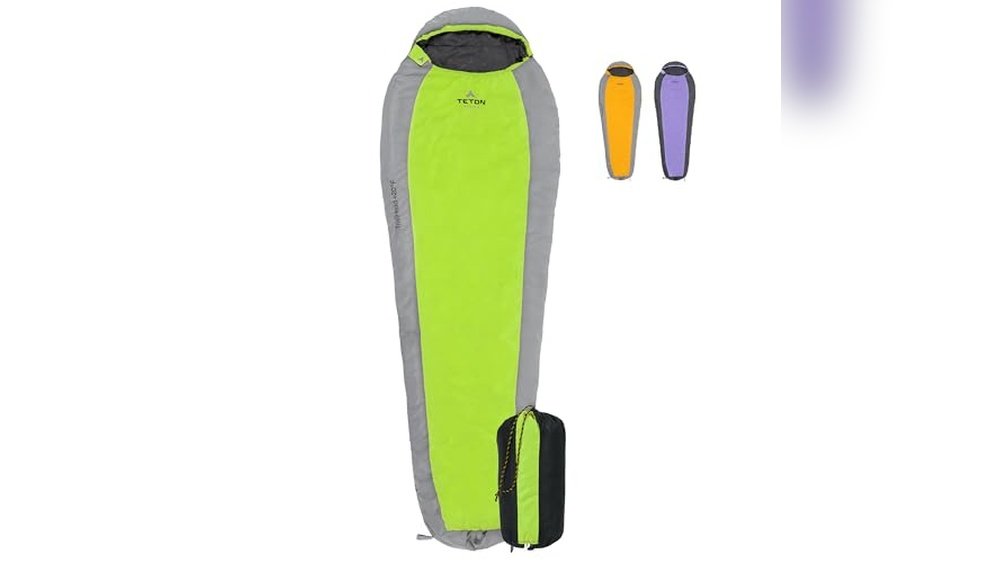
Where The Teton Trailhead 20f Sleeping Bag Shines
This sleeping bag is a solid choice if you want warmth close to 20 degrees without a heavy load. I find its mummy hood and draft tubes helpful in keeping heat in during chilly mornings. It compresses well for packing and is soft inside, aiding a good night’s rest after a long day outdoors.

Features That Help You Sleep Easy
- Mummy hood retains warmth around head and face.
- Zipper draft tube minimizes cold spots along the zipper.
- Soft double-brushed liner adds comfort for sensitive skin.
- Lightweight microfiber insulation compresses well for easy packing.
- Includes durable compression sack to save space.
Points to Consider Before Buying
- Comfort rating suits mild cold; not ideal for extreme cold.
- Length and width may not fit very tall or broad users.
- Green color option only; limited color choices.
When The Teton Leef 0f Cold Weather Bag Is The Better Fit
If you expect colder nights near freezing, this bag offers more insulation. I appreciate its roomy mummy design that still packs small, balancing warmth and mobility. It suits those who want to camp in cold weather without carrying a heavy bag.

Why This Bag Appeals to Cold Weather Campers
- Zero-degree temperature rating for colder environments.
- Compression sack included for compact packing.
- Roomier mummy cut allows easier movement inside.
- Efficient insulation keeps warmth without bulk.
- Multiple size and color options available.
Considerations That May Affect Your Choice
- Weighs more than lighter summer bags.
- Higher price point compared to warmer temperature bags.
- Shorter length may feel tight for very tall sleepers.
Key Questions To Help You Decide On Your Sleeping Bag
What temperature will you typically face on your hikes? If nights dip close to freezing, a bag rated for 0°F or below is safer. For milder weather, a 20°F rated bag often suffices and saves weight.
How important is pack size and weight? Longer hikes call for lighter, more compressible bags. If you car camp, you might accept more bulk for extra comfort.
Do you prefer a snug mummy shape or a roomier cut? Snug fits retain heat better but can feel restrictive. Roomier bags offer movement but may lose some warmth.
Are you sensitive to fabric feel? Some bags use soft liners for skin comfort while others focus on durability. This can affect sleep quality.
Is easy maintenance a priority? Machine washable bags simplify cleaning after outdoor use.
Comparing Two Popular Hiking Sleeping Bags Side By Side
How Warm Should Your Bag Be?
Temperature rating matters most for comfort and safety outdoors.
| Decision factor | Teton Trailhead 20F Sleeping Bag | Teton LEEF 0F Cold Weather Bag |
|---|---|---|
| Temperature rating | Comfort rated 20°F | Comfort rated 0°F |
| Insulation type | Microfiber insulation | Efficient cold-weather insulation |
| Weight | 2.9 pounds | 4.2 pounds |
| Best for | Mild to cool weather | Colder weather camping |
This matters for hikers planning trips in colder temperatures or varying seasons.
How Easy Is It to Carry?
Packability and weight impact hiking comfort.
| Decision factor | Teton Trailhead 20F Sleeping Bag | Teton LEEF 0F Cold Weather Bag |
|---|---|---|
| Compression sack included | Yes, durable with straps | Yes, compact design |
| Packed size | Highly compressible | Moderately compressible |
| Weight | Lighter at 2.9 lbs | Heavier at 4.2 lbs |
| Ideal use | Backpacking, ultralight hikers | Backpacking in cold weather |
Those concerned about pack weight will find these details relevant.
How Comfortable Is the Fit?
Shape and size affect sleeping comfort.
| Decision factor | Teton Trailhead 20F Sleeping Bag | Teton LEEF 0F Cold Weather Bag |
|---|---|---|
| Design | Traditional mummy shape | Roomier mummy design |
| Length | 87 inches | 81 inches |
| Width | 32 inches | 30 inches |
| Movement space | Snug fit | More room to move |
This matters if you value either warmth retention or extra space.
Avoiding Regret When Choosing Your Lightweight Sleeping Bag
Choosing a bag rated too warm for your conditions leads to cold, restless nights. Equally, a bag that is too heavy or bulky can make hikes tiring and less enjoyable. Consider your typical hiking environment carefully.
Also, think about your sleeping preferences. A bag too tight or with rough interior fabric may cost comfort. If you neglect packability, carrying extra weight can become a burden over long distances.
Taking time to match your needs and habits with the right bag minimizes chances you’ll regret your choice later.
Finding The Right Lightweight Sleeping Bag For Your Hiking Needs
Both bags reviewed offer reliable warmth and packability but cater to different temperature ranges and preferences. The Trailhead 20F bag suits those facing milder cold and prioritizing lighter weight. The LEEF 0F bag is better for colder conditions and offers more room inside.
Assess your typical hiking climate, comfort needs, and how much weight you can carry. Either choice will support good rest if it matches your priorities. Remember, the best bag is one that fits your unique hiking style and keeps you comfortable night after night.
You can feel confident choosing either once you consider these factors carefully.
Frequently Asked Questions About Best Lightweight Sleeping Bag For Hiking
What temperature rating should I choose for hiking?
Choose a bag rated slightly colder than the lowest temperature you expect. This ensures warmth without extra bulk. For mild nights, a 20°F bag often works well.
How important is weight in a sleeping bag for hiking?
Weight is critical for backpacking comfort. Lighter bags reduce fatigue on long hikes. However, balance weight with warmth and durability for your needs.
Are mummy sleeping bags better for warmth?
Mummy bags fit snugly to retain heat efficiently. They are usually lighter and pack smaller. Roomier bags offer more movement but may lose some warmth.
Can I machine wash these sleeping bags?
Many modern bags are machine washable on delicate cycles. Always check the care instructions. Washing helps maintain cleanliness and fabric performance.
Does color affect sleeping bag performance?
Color mainly affects aesthetics and visibility. It does not impact warmth or comfort. Choose a color you like or that suits your outdoor gear.
How do I pack a sleeping bag efficiently?
Use the included compression sack to reduce size. Start stuffing from the bottom and tighten straps evenly. Proper packing saves space and protects the bag.
What if I sleep hot or cold?
Adjust your sleeping system with layers or ventilation. Select a bag with a temperature rating matching your comfort zone. Fluff the bag before use to restore loft.